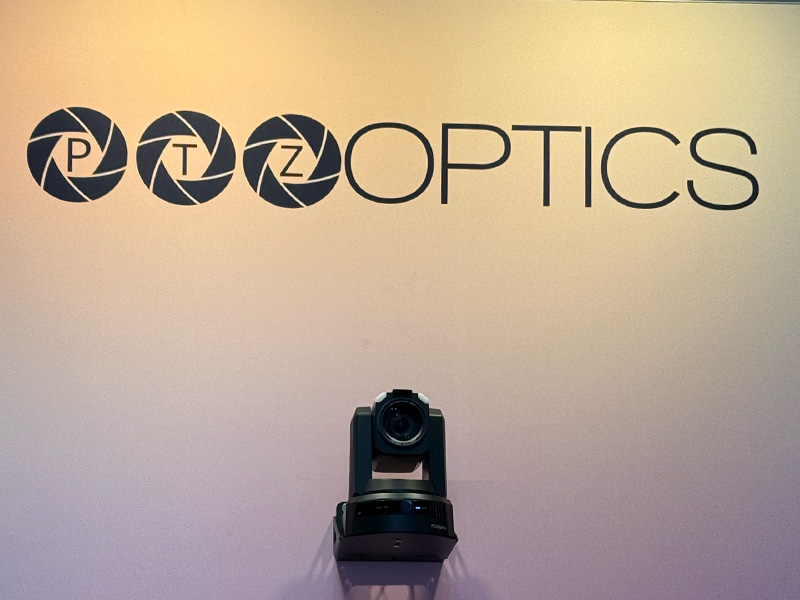
PTZOptics pulled a Rise 4K out of the box hours before showing it to AVNation at IBC2026. The unit was fresh off the production line, and they didn’t hide their excitement.
Broadcast imaging within reach
The launch matters for AV and IT teams weighing robotic cameras against traditional broadcast rigs. Rise 4K pairs a 1-inch, 50-megapixel sensor with 12G-SDI output, features usually reserved for cameras that cost far more. PTZOptics positions the camera for broadcasters, houses of worship, and corporate studios. Schools and live event teams round out the target list. PTZOptics is showing Rise 4K at booth 1.B07 through Sept. 14. The camera is available to order now, with shipments starting in the fourth quarter of 2026.
Inside the camera
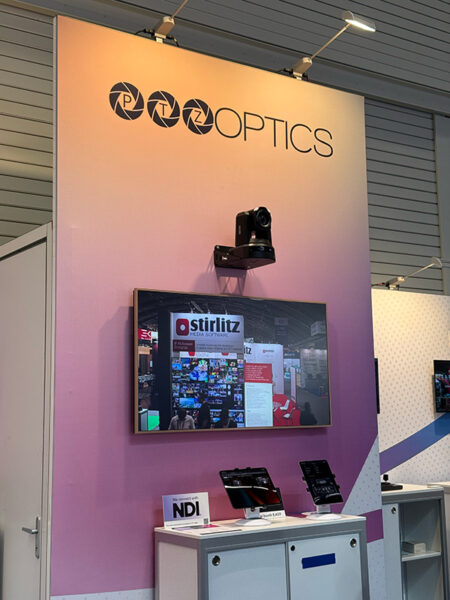
Rise 4K uses a 1-inch, 50-megapixel CMOS sensor for 4K Ultra HD video at up to 60 frames per second. The lens offers 20x optical zoom and roughly a 71-degree horizontal field of view. Phase-detect autofocus, optical image stabilization, and brushless motors keep footage steady during pans and tilts. Additionally, a built-in three-stage ND filter helps operators manage exposure in changing light.
Claudia Barbiero, Director of Global Marketing for PTZ Optics, said the brushless motors move the camera smoothly. Testers in the company’s studio didn’t notice Rise 4K panning during an early trial. “It was moving. It was just moving so slow.”
PTZOptics also expanded the camera’s speed settings for this launch. Rise 4K offers roughly four times as many pan-tilt-zoom speed increments as the company’s 4K Move camera, according Barbiero. That range lets operators dial in cinematic slow moves or quick reframes for live production.
Connectivity built for broadcast
Rise 4K pairs its imaging with broadcast-standard connections. Key outputs and features include:
- 12G-SDI output for native 4K60, plus 3G-SDI, HDMI, and USB 3.0
- NDI HX, RTMP, RTSP, and SRT streaming, plus 12G-compatible SFP+ fiber
- Timecode, genlock, and FreeD support for virtual production integration
- XLR audio inputs with 48V phantom power
- Onboard microSD recording for standalone capture without a switcher
- Front and rear tally lights
A free automation layer
Rise 4K ships with Horizon Web, PTZOptics’ browser-based control interface. Horizon Web adds waveform, vectorscope, and RGB parade tools for matching multiple cameras. Additionally, PTZOptics includes AI-based auto-tracking at no extra cost, staff said. However, staff said some competing broadcast cameras charge extra for tracking as a separate license.
Where PTZOptics sees demand
PTZOptics built Rise 4K for broadcasters, houses of worship, corporate studios, schools, and live event teams. Staff said interest from the sports production community surprised the company’s sales team. House of worship demand has grown steadily too, according to staff, as more churches look to upgrade past entry-level cameras.
A bet on long-term updates
Barbiero pointed to PTZOptics firmware update record as a longer-term differentiator. The company has added more than 150 updates to its Move 4K Gen 3 camera since 2023, Barbiero said. Those updates cover new automation, protocol support, and other features beyond bug fixes. As a result, PTZOptics backs Rise 4K with a five-year warranty and plans similar ongoing updates.
Building toward on-camera AI
Barbiero described Rise 4K as a step toward a software-defined camera line, not just a hardware refresh. The onboard chip leaves room for more processing power over time, staff said, delivered through firmware rather than new hardware. Staff pointed to early work with Layer Shot as one preview of that direction. Looking further out, Barbiero predicted natural-language control of robotic cameras will become common industry-wide by 2027, not just at PTZOptics.
Also on the show floor
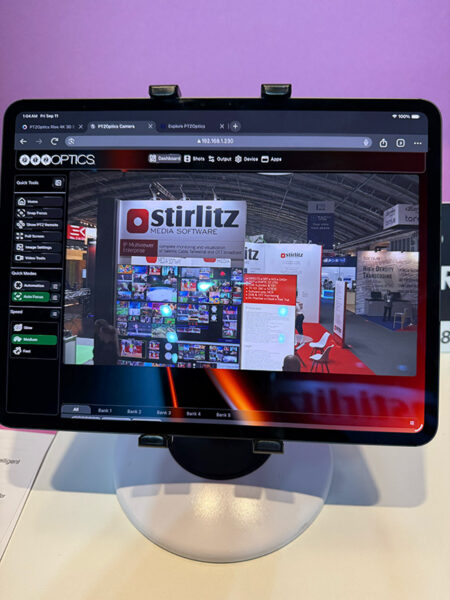
PTZOptics also showed a redesigned Horizon Web layout that spans its full camera line, not just Rise 4K. The new layout puts the live preview front and center. It exposes automation controls once hidden in menus. Meanwhile, the booth staff demonstrated SuperJoy, a new joystick controller that now supports Rise 4K alongside PTZOptics’ other cameras. Power+Link, a battery-powered unit for remote PTZ deployments, rounded out the booth.
What it means for you
For AV and IT teams comparing robotic cameras, Rise 4K signals where PTZOptics wants to compete next. The goal is broadcast-grade imaging without a broadcast engineer on staff. However, whether the camera delivers on that promise is something integrators will test in daily production. Units ship this fall.

Tim Albright is the founder of AVNation and is the driving force behind the AVNation network. He carries the InfoComm CTS, a B.S. from Greenville College and is pursuing an M.S. in Mass Communications from Southern Illinois University at Edwardsville. When not steering the AVNation ship, Tim has spent his career designing systems for churches both large and small, Fortune 500 companies, and education facilities.
- Tim Albright

- Tim Albright

- Tim Albright
- Tim Albright