Trust Isn’t Built at the End, It’s Built Along the Way
When a new AV project begins, most people focus on the finish line, the moment when the lights come up, the displays glow, and the system finally “just works.”
But as any seasoned IT or AV manager knows, trust doesn’t begin at commissioning. It’s earned (or lost) in every step along the way from the first kickoff call to the last client handoff.
In this AVWeek conversation, Rave Pubs’ Steph Beckett, Crestron’s Brad Hintze, and Level 3 AV’s Jeremy Ellsesor joined me to explore what makes a reliable partner, how to spot warning signs early, and why transparency in process is the new measure of professionalism.
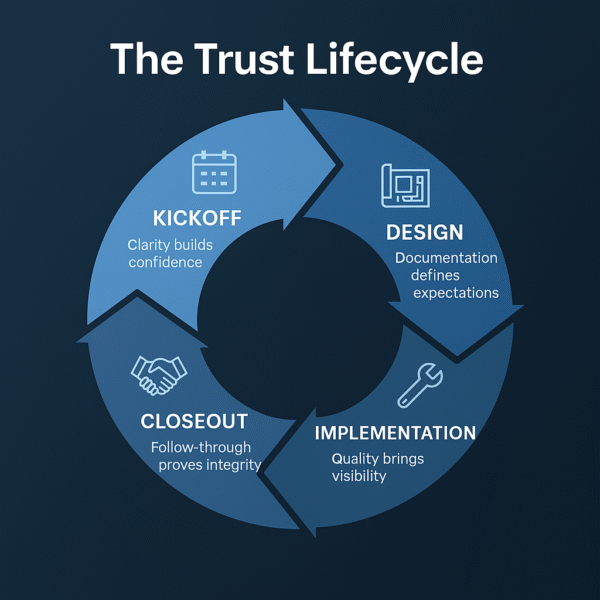
Phase 1: The Kickoff Call Where Confidence Begins
“If you ask for a kickoff call and they don’t know what that is, that’s a red flag,” said Steph Beckett, managing editor at Rave Pubs.
Her point landed hard. The kickoff meeting is often the client’s first real glimpse into how an integrator operates and, in many cases, a preview of what the rest of the project will feel like.
“A really good kickoff call tells you almost everything,” Beckett continued. “If the integrator isn’t organized, if the project manager doesn’t have things lined up, if expectations aren’t clear that’s going to reflect the rest of the job.”
A clear kickoff should define:
- The project scope and goals.
- Points of contact and escalation paths.
- Milestones and expected deliverables.
- Communication cadence and meeting rhythm.
It sounds simple, but those basics separate a project that builds confidence from one that breeds frustration.
Phase 2: Design and Documentation
Once the plan is in motion, Brad Hintze, executive vice president of global marketing at Crestron, emphasized that documentation and communication must stay in lockstep.
“Clear communication around expectations for the space is everything,” Hintze said. “Let’s document what we’re after. And if you’re an end customer, build a relationship with both the manufacturer and the integrator concurrently.”
Hintze encourages end users to go beyond the integrator’s proposal. “Check if they’re a certified partner. Ask if the manufacturer can confirm their track record. That due diligence upfront ensures everyone shares the same playbook.”
At this stage, process clarity becomes a form of quality assurance.
Every drawing, configuration note, and change order is part of a trust trail, one that reduces ambiguity and keeps everyone accountable.
Phase 3: Implementation When Quality Goes Live
For Jeremy Ellsesor, senior vice president at Level 3 AV and a PSNI Global Alliance member, the heart of trust lies in execution, and that means showing the process, not just talking about it.
“Quality is a discipline,” he explained. “When you bring a client into your staging facility and walk them through the process, it starts to click. They can see their system working before it’s ever installed.”
That pre-staging approach allows issues to be caught early, systems to be validated in controlled conditions, and clients to witness the integrator’s standards firsthand.
Ellsesor added, “We find that when customers understand what quality management really means, they ask better questions, and that builds trust faster than any marketing language ever could.”
Phase 4: Closeout and Support Finishing Strong
Trust doesn’t end when the project wraps.
A successful closeout phase reinforces that the integrator stands behind the work, through documentation, training, and post-install follow-through.
“Kickoff tells you what kind of partner they’ll be,” Beckett said. “Closeout tells you what kind of company they are.”
That’s where manufacturers and integrators who invest in customer education stand apart. From updated firmware guides to training videos and scheduled follow-ups, every touchpoint extends the relationship beyond installation day.
Ellsesor agreed: “Sometimes a little more time spent on education means a lot fewer surprises later. When clients understand the process, they know what good looks like.”
The Common Thread: Communication at Every Level
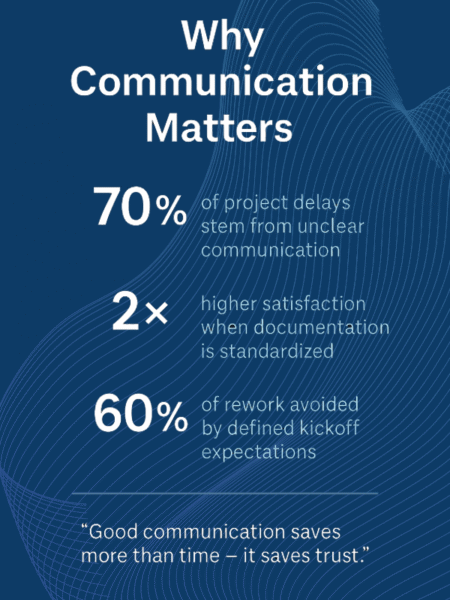
Across every phase, one word kept surfacing: communication.
Beckett called it “the biggest AV challenge we still haven’t fully solved.”
Hintze noted that too often, teams “in the communication business” fail to communicate with each other. And Ellsesor framed communication as the bridge between quality and trust.
“How you do anything is how you do everything,” he said. “If you’re transparent, responsive, and detail-oriented from kickoff to closeout, that’s not just process — that’s your reputation.”
Building a Culture of Trust
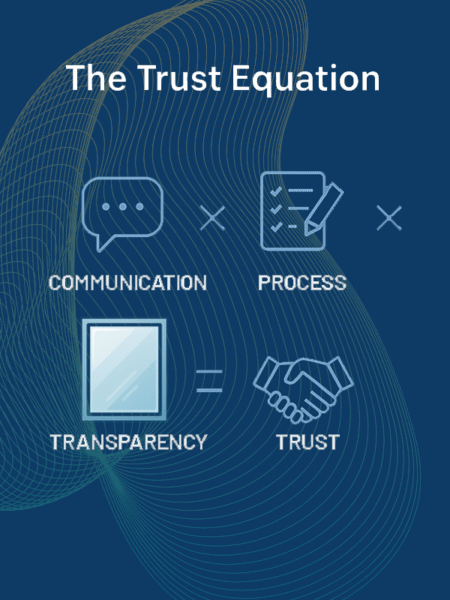
A well-executed AV project is more than a collection of components. It’s a shared journey. One where process, communication, and quality are inseparable.
When every phase builds on the last, end users don’t just end up with a working system. They end up with partners they can call again.
Because in the AV industry, trust isn’t the result of a successful project.
It’s the reason one happens.

Tim Albright is the founder of AVNation and is the driving force behind the AVNation network. He carries the InfoComm CTS, a B.S. from Greenville College and is pursuing an M.S. in Mass Communications from Southern Illinois University at Edwardsville. When not steering the AVNation ship, Tim has spent his career designing systems for churches both large and small, Fortune 500 companies, and education facilities.
- Tim Albright

- Tim Albright

- Tim Albright

- Tim Albright