Tag: accessibility

  • Ampetronic | Listen Technologies’ Auri™ Installed at Brighton Station in the U.K.

    Ampetronic | Listen Technologies’ Auri™ Installed at Brighton Station in the U.K.

    Listen Technologies, a leading provider of advanced wireless listening solutions for 28 years, and Ampetronic, a global leader in hearing loop systems, announced that Auri™, the Auracast™ broadcast audio-based assistive listening solution they co-developed, has been installed at Brighton station in the U.K. This is the first permanent Auracast™ installation in a railway station in the U.K.

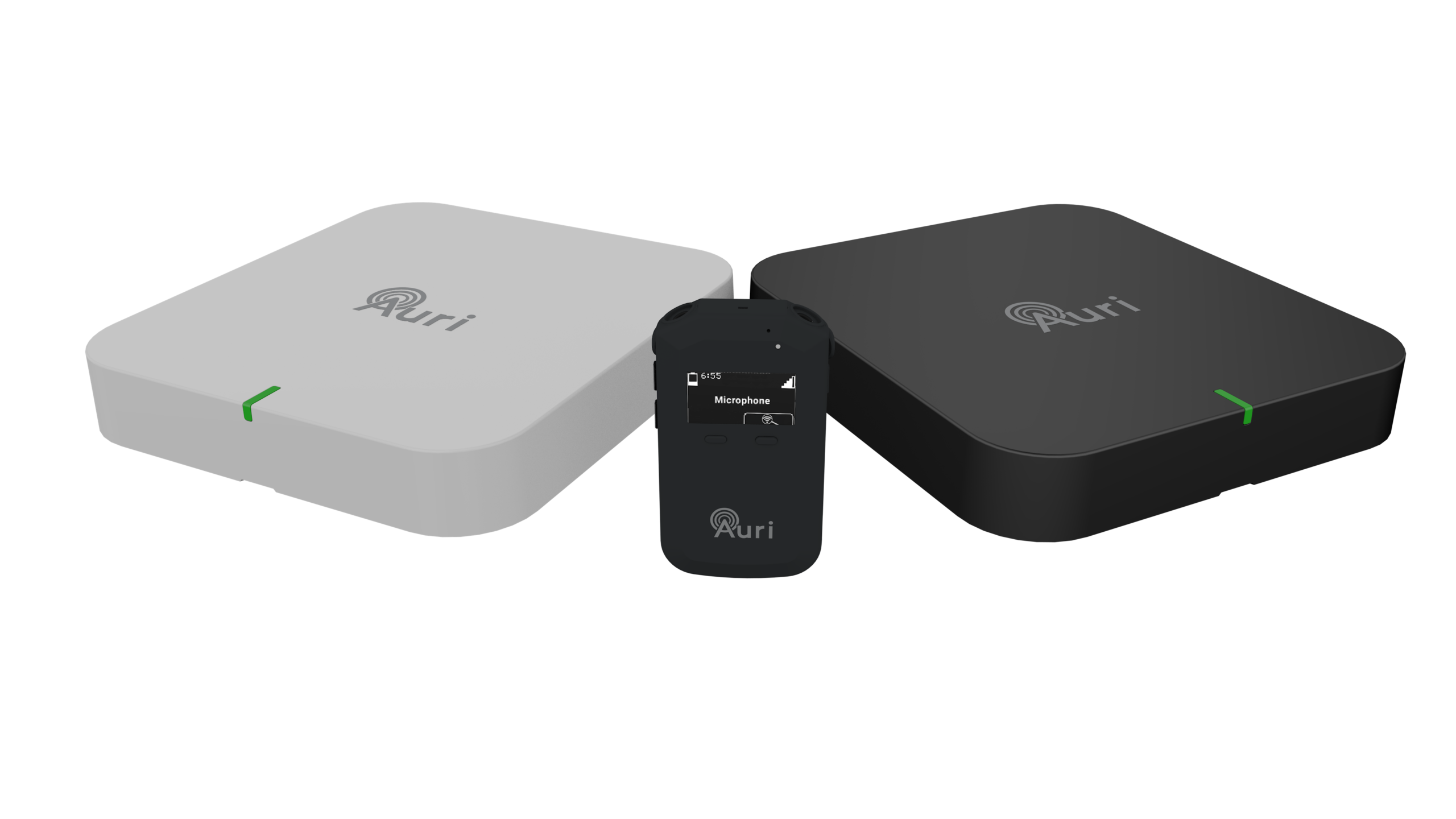
    The Auri™ system makes it easy for anyone with Auracast™ enabled hearing aids, headphones, earbuds, or Cochlear implants to access station announcements and hear them clearly in their devices. Announcements are broadcast from Auri™ transmitters installed throughout the station to anyone with compatible receiving devices within range.

    Being able to hear important information about gates and platforms, departure times, and safety while traveling is essential. Busy, noisy, transport centers like Brighton station can be challenging hearing environments, especially for passengers with hearing loss. The Auri™ system filters out background noise and delivers station audio directly to listeners’ ears for greater clarity and intelligibility.

    The system can also benefit people without hearing loss, including passengers who require language interpretation, are neurodiverse, or have visual impairments.

    Auri™ offers the future of assistive listening in a busy, historic railway station

    Southern, Thameslink, and Gatwick Express railways operating under Greater Thameslink Railway (GTR), sponsored the permanent installation of Auri™ at the 185-year-old, Grade II* listed Brighton station. Bristol Temple Meads station featured the Auri™ system last year as part of a trial of Auracast™ broadcast audio technology in its buildings.

    GTR hosted an event at Brighton station on July 8 for members of the Brighton Hearing Loss Group so they could try the newly installed system. People who experienced the technology during the event remarked about the clarity of audio and expressed confidence at being able to hear important announcements.

    Jonathon Hoskin, division sales manager – specialist solutions at Ampetronic | Listen Technologies, said of the installation: “We’re proud to bring the future of assistive listening to this busy, historic rail station with a permanent installation of our Auracast™-based solution, Auri™. It’s been wonderful working with GTR on this project, and they are to be commended for their leadership in advancing audio accessibility in Brighton station. By implementing Auracast™, they are making it easier, safer, and more comfortable for people with hearing loss to travel.”

    With Auri™, accessing clear audio is easy and convenient

    Ampetronic | Listen Technologies installed Auri™ TX2N 2-channel transmitters in the Brighton station. The sleek, low-profile transmitters provide long-range, low-latency Auracast™ broadcast audio. The installation happened quickly without any disruption to service or station downtime.

    Accessing the audio broadcasts is easy, convenient, and free for station visitors with compatible devices. They can find and select the broadcasts through their smartphones, similar to how they would search for and select a Wi-Fi network. Then, audio is broadcast to their Auracast™ enabled devices.

    Hoskin added, “Google shared valuable insight into user onboarding methodologies, helping to inform our understanding of current device capabilities and future developments.”

    Accessibility Lead for Southern, Thameslink and Gatwick Express Carl Martin said: “We’re constantly looking for innovative ways to make it easier for everyone to travel on our network, particularly our disabled passengers.

    “This fabulous technology will have a huge impact, overcoming the difficulty of hearing announcements in our beautiful but acoustically very challenging, noisy station at Brighton.”

  • Next Generation Audio (NGA): The New Sound of Live Production

    Next Generation Audio (NGA): The New Sound of Live Production

    Next Generation Audio (NGA) is no longer just a broadcast innovation; it’s quickly becoming the benchmark for how modern entertainment environments think about sound. In essence, NGA is about giving audiences better experiences and operators more control and creativity. Built on technologies such as object-based mixing and metadata frameworks like S-ADM, NGA makes it possible to deliver multiple audio experiences within a single stream, whether that’s multilingual commentary, accessible audio descriptions, or tailored soundscapes for venues. For media and ProAV professionals, the possibilities are expanding fast – and early adopters are taking the front foot.

    NGA offers cutting-edge, user-centric features that redefine the listening experience. With crystal-clear dialogue, enhanced sound precision, and advanced volume customization for those with hearing impairments, NGA puts control in the hands of the audience. It’s all about choice, whether switching commentators, seamlessly changing language tracks during live sports, or fine-tuning audio like never before. NGA is more than just better sound, it offers a personalized, immersive experience that will help our industry deliver on the promise of audio that’s better than just ‘good enough’.

    Regulation raises the bar

    Beyond a clear interest among broadcasters and streaming platforms to offer differentiated audio experiences, there are several wider shifts at play accelerating the adoption of NGA. In California, the new SB 576 law has recently been passed, which will require streaming services to keep audio levels clear and consistent, much like existing standards for broadcast. This law, which takes effect on and after July 1, 2026, prohibits a video streaming service that serves consumers in the state from transmitting the audio of commercial advertisements louder than the video content the people are watching. It means that viewers will no longer have to put up with excessively loud commercials during ad breaks, delivering a smoother listening experience.

    Poorly balanced loudness or muffled dialogue can exclude audiences just as much as bad design or poor visuals. California’s new rules are an important first step in improving the viewer experience and a reminder that audio quality matters everywhere, from streaming platforms to the live and hybrid environments managed by a wide range of AV professionals across entertainment venues. It means producers and integrators will need advanced audio processing tools capable of maintaining precise loudness control and compliance across all content.

    Intercom advances for agile AV teams

    The renewed focus on quality is reflected in rising demand for audio innovation beyond broadcast and radio. Venues, corporate AV teams, and live event organisers are taking more control of their productions, and with that comes a sharper focus on audio performance. Theaters are adopting IP-based intercom systems to improve backstage coordination and reduce latency. Meanwhile, sports producers are embracing remote commentary workflows to connect teams and audiences around the world.

    Beyond entertainment and enterprise, we’re also seeing growing interest in sectors such as healthcare, security, and emergency operations, where effective communication can have critical real-world impact. Hospitals, control centers, and security organizations increasingly rely on advanced audio networks and intercom systems to coordinate teams with absolute clarity.

    There is still a tendency to use legacy-style comms and panels, tied to a central matrix, but these are expensive and do not easily allow for spontaneous remote contribution. A growing number of virtualized solutions that do not have a central matrix and are software-based now allow for more dynamic configurations, multi-site production, and consumer-level devices like smartphones, tablets, and laptops to easily bring in new team members.

     Interoperability takes the spotlight

    One clear standout theme at IBC2025 was interoperability – and the simple truth that different systems should work together easily. Media Exchange Layers (MXLs) were central to this discussion, with many broadcasters and technology providers agreeing that the future of broadcast will be more modular and vendor-agnostic. This approach is key to building scalable, cloud-ready production environments. Across the show, there was a shared sense that interoperability isn’t just a technical goal anymore; it’s essential to delivering the  flexibility, scalability, and cost-effectiveness all users need

    This ties in closely with advances in Audio-over-IP (AVoIP), an innovation Telos has been at the forefront of since its inception. The encouraging news is that the industry is rallying together to build AVoIP workflows so seamless that users don’t need to think about switches, protocols, or cables – making multi-vendor broadcast and AV systems much more reliable and easier to integrate.

    A sound future

    The professional audio landscape is entering its most exciting and inclusive era. NGA is enabling richer, more personal listening experiences. California’s legislation is reinforcing the importance of quality and intelligibility. And the convergence of broadcast and ProAV is creating a shared language of standards and performance. As live experiences become more connected and interactive, audio is what brings them together. Sound sits at the heart of almost every experience – and it’s starting to take a bigger seat at the table.

  • The Road To InfoComm 2025 With Listen Technologies

    The Road To InfoComm 2025 With Listen Technologies


    The video version of this preview can be found here.

    InfoComm 2025 comes to sunny Orlando June 11-13, showcasing some of the most innovative technology in the AV industry. We are taking a look at what’s going to be on the floor at the Orange County Convention Center in the coming days of the show.

    We are joined by Mikey Shaffer, Senior Director of Sales at Listen Technologies to talk about what they’ll have in store at booth 4361 during the show. We also discuss the evolution of accessibility solutions and what they are doing with Auracast to boost those capabilities.

    AVNation is a news outlet made by and for audiovisual professionals. Every one of our panelists, writers, producers and hosts have worn a hat or several within the AV industry. It’s this unique experience that gives us a fresh look at the industry as a whole and allows us to engage with end users, technology managers, IT managers and AV integrators in a meaningful way.

    Everything that AVNation does in events like Integrated Systems Europe and Infocomm are in part made possible by our supporters and underwriters who provide financial support for AVNation. If you have questions about the shows or have a unique experience to offer please contact AVNation by clicking here. We are always looking for different viewpoints within the AV industry.