As a dedicated enthusiast of all things pixel-related, the annual Consumer Electronics Show (CES) in Las Vegas kicks off my year with a preview of the best display technology expected to materialize in the coming months. My tl;dr of the display manufacturers’ CES 2026 presentations was that they focused more on readily tangible improvements across product categories, directly addressing our most common critiques. A few display devices on the CES show floor also highlighted how the once-seemingly-impossible color and brightness demands of HDR standards, like HDR10 and Dolby Vision, are closer than ever to being fully realized in consumer products.

OLED Televisions
The organic light-emitting diode (OLED) remains the most visually appealing display technology for screen sizes up to 97 inches – the largest OLED panels currently available. The emissive pixels of an OLED screen create an image with a practically infinite contrast ratio and captivatingly vibrant color saturation, which LCD TVs and monitors have struggled to match. LG Display and Samsung Display (not to be confused with their consumer electronics counterparts, LG Electronics and Samsung Electronics) remain the primary manufacturers of OLED displays for home theater and computer applications. Practically every OLED display sold today, from any brand, uses an LG or Samsung panel, and even some of Samsung’s OLED televisions use LG modules.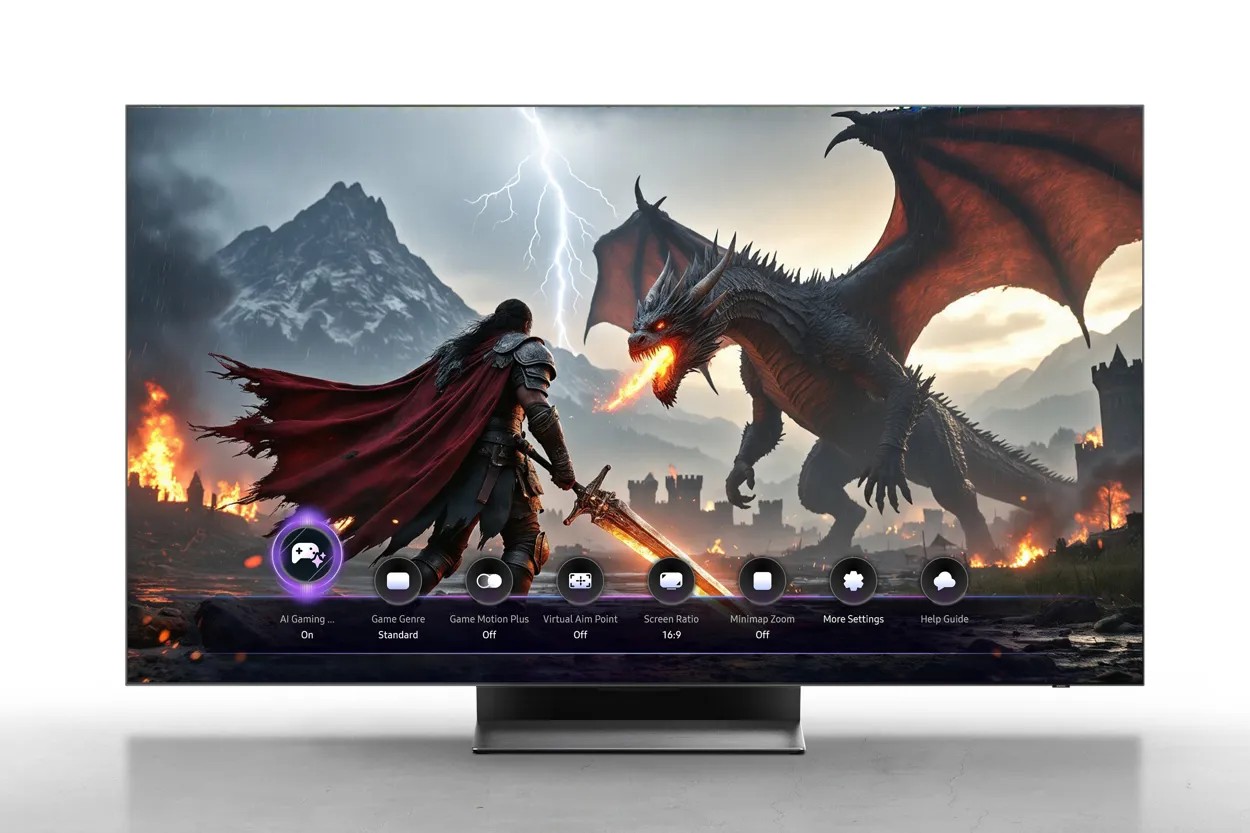
48-inch Samsung S95H OLED television – Image credit: CTAOne of the most significant improvements in OLED displays for 2026 is their ability to mitigate reflections and glare. The latest OLED panels featured in LG Electronics’ new flagship G6 and W6 model televisions are a prime example, claiming an ambient light reflectance of 0.3% – approximately a third that of the company’s 2025 flagship TVs. Even with a contrast-enhancing glossy finish, these screens are the best yet at producing a watchable picture in less-than-ideal room lighting.
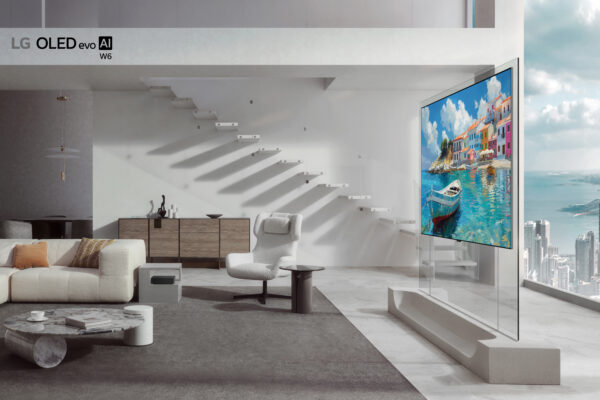
Enhanced efficiency driven by optimized engineering and software, rather than breakthrough chemistries, is fueling the latest improvements in brightness. These OLED efficiency gains should also lead to a longer lifespan, as the panels do more with less electricity and waste heat. The incremental increase in OLED television brightness is another trend we’ll likely see continue over the next few years.
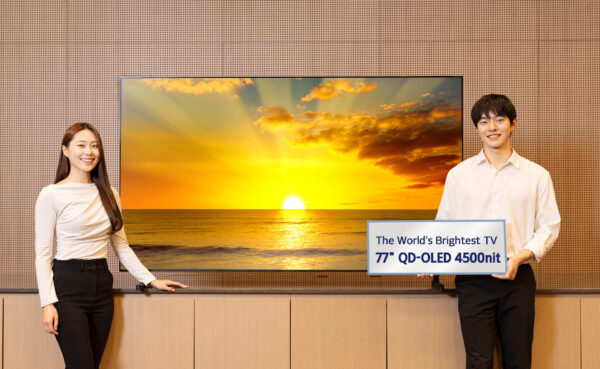
In the lab, LG and Samsung are claiming an impressive 4,500 nits of peak luminance from their latest OLED panels, but the premium consumer versions will probably not surpass a still-brilliant 3,000 nits with a color-calibrated picture setup when displaying a standard 10% test window – we might see measurements over 3,000 nits with a smaller 2-3% test window. Still, we’re seeing a usable peak brightness increase of about 500 nits on the best 2026 OLED televisions compared to last year, along with roughly an 18% increase in full-field (full screen) brightness overall. Keep in mind that most value TVs are unable to reach 500 nits of peak brightness, let alone a few thousand nits!
OLED Monitors
There is a distinct difference between LG and Samsung in how each company has designed the layout of its OLED display’s subpixels. LG’s OLED panels have historically used a striped four-subpixel design that adds a white channel to the standard red, green, and blue (RGB) elements – sometimes referred to as RGWB in reference to its current design. Samsung’s quantum dot (QD) OLED panels have eschewed a traditional striped layout in favor of a triangular subpixel orientation. At CES 2026, both companies introduced new OLED monitor modules with a “pure” RGB-striped subpixel configuration that more closely resembles that of traditional LCD screens.
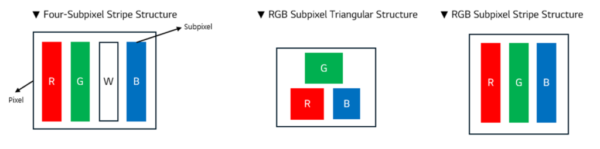
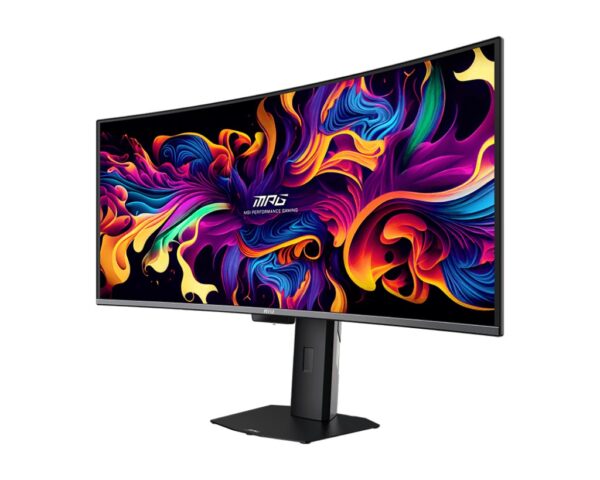
The primary benefit of the RGB-striped subpixel configuration is that it can produce razor-sharp text, especially when properly optimized with a subpixel rendering technology like Microsoft’s ClearType. Samsung is not completely abandoning the triangular subpixel layout, but the new panel featured in upcoming displays like the ultra-wide (21:9 aspect ratio) MSI MPG 341CQR QD-OLED X36 can offer LCD-like text quality for enhanced productivity while providing a 360Hz refresh rate and the fastest pixel response times gamers desire.
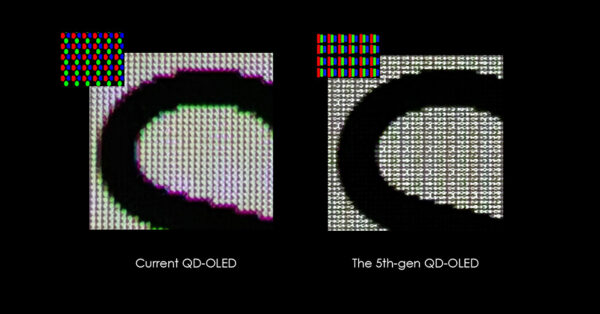
This panel also marks Samsung’s introduction of an updated anti-glare/anti-reflection layer that also reduces the appearance of contrast-degrading elevated black levels resulting from the quantum dots’ interaction with ambient light. The magenta-ish hue of reflections on past QD-OLED screens appeared less pronounced, and the overall color-shift artifact was significantly reduced. This new layer also boasts increased scratch resistance.
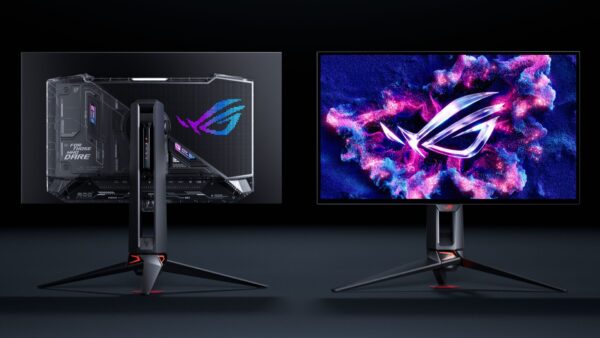
LG’s goal with its three-stripe subpixel layout is to eliminate the white subpixel for improved color saturation, especially at high luminance levels, at the expense of some overall peak brightness. The ASUS ROG Swift OLED PG27UCWM is a 27-inch 4K monitor, due in the second half of 2026, featuring LG’s new RGB-striped subpixel design. The pixel density of the PG27UCWM delivers a detailed 166 pixels per inch (PPI) while still producing up to 1,000 nits of peak brightness in HDR highlights – compared to 1,300-1,500 nits from the latest non-RGB-striped designs.
LCD Televisions
The pixel performance of OLED TVs often makes liquid crystal display (LCD) devices seem like a second choice, given OLED’s practically infinite contrast and supremely saturated colors. All LCD television manufacturers on this year’s CES show floor were quick to point out new screens sporting the latest iteration of RGB micro LED backlighting technology – not to be confused with direct-view LED (DVLED) display technology used in super-premium large-format displays and eye-catching digital signage. The use of RGB LEDs as a backlighting system enables an LCD to surpass the color saturation of current OLED TVs, with measurements expected to exceed 90% of the vast BT.2020 colorspace that’s incorporated into the HDR specs – the best quantum dot OLEDs currently top out at about 85% coverage of BT.2020.
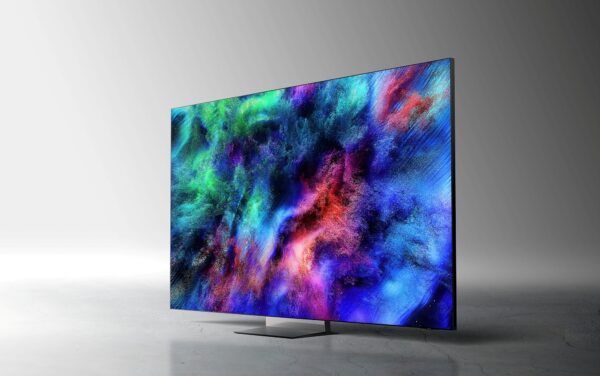
In the last quarter of 2025, Samsung introduced its first micro-LED-backlit TV with a 115-inch screen and a $30K price tag. For 2026, Samsung is expanding its micro LED backlit LCD TV lineup with more size options, starting at 55 inches and scaling up to a new record-breaking 130-inch model (R95H) that incorporates a Timeless Frame system, enabling an easel-like stance for the supersized TV suspended within, for a more artistic appearance.
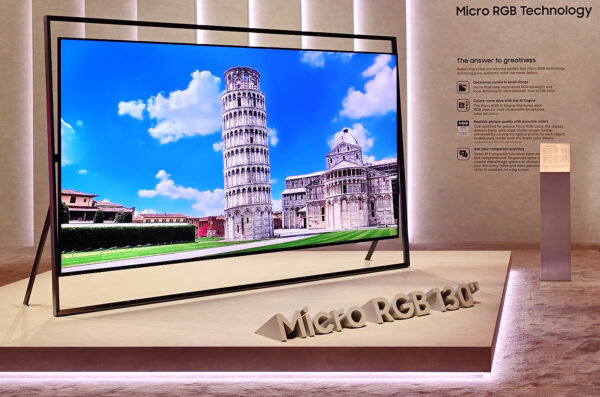
Considering that Samsung sourced the 130-inch panel from another manufacturer, it seems likely we’ll see similarly sized offerings from other manufacturers before the year’s end. It is possible to carve even larger screens from the giant sheets of mother glass used to create LCD panels, but about 150 inches is pushing the practical (and logistical) limits.
Also, many questions remain about the micro LED LCD TV’s performance in backlight zone control and artifact management, including color bleed and desaturation when displaying real-world content. Video processing a multi-color RGB backlight system is not trivial, and color crosstalk may make micro LED TVs more suitable for signage than cinema. There was a noticeable lack of human faces in the demo videos playing on the micro LED LCD TV shown on the CES show floor.
A Quantum Favorite
The display-crafting masters at TCL have introduced what may be the most exciting LCD TV of 2026: the X11L Series. Currently available for preorder in 75-, 85-, and 98-inch screen sizes, this beast of a TV claims to deliver up to 10,000 nits of peak brightness and up to 20,000 backlight zones. 10,000 nits is the maximum luminance defined in HDR video specifications, and the X11L could potentially display any HDR video without tone mapping the output to a lower luminance level – albeit very, very few (any?) HDR videos are mastered for 10,000 nits.
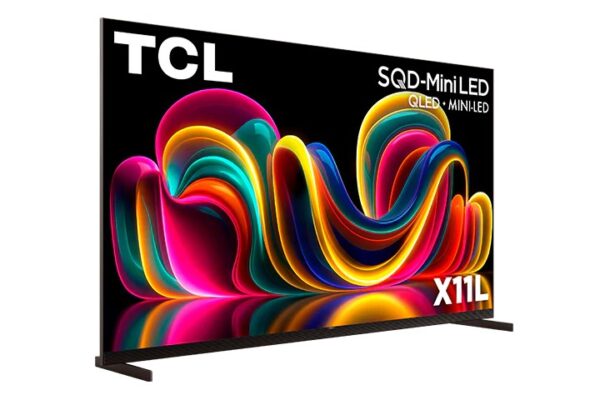
The quantum dots featured in the X11L are a product of Nanosys, and they earn their “super” status through precision manufacturing that enables improved wavelength precision and purity – the company claims +/- 1nm peak wavelength is now achievable at mass production scale! Combine this with TCL’s ability to create a new color filter for the X11L that is highly optimized for the output of these QD materials. Realistically, the X11L should cover over 90% of the BT.2020 color space and make it the display to beat in 2026 for its ability to render the full range of perceivable colors.

The Future Looks Bright
You are not imagining that TVs are steadily getting larger – the motivation for profit (and bragging rights) is certainly in play on the manufacturers’ supersized offerings. It wasn’t that long ago that the only practical option for a 100-inch or larger screen was projection, and increasingly affordable large-format televisions are providing a compelling alternative that truly shines, especially in multi-use rooms with typical ambient lighting. While OLED continues to enjoy its status as a premium picture option, LCD TVs are scaling ever larger at a fraction of the cost, closing the gap in color quality and offering unmatched brightness.

Robert is a technologist with over 20 years of experience testing and evaluating consumer electronics devices, primarily focusing on commercial and home theater equipment.
Robert's expertise as an audio-visual professional derives from testing and reviewing hundreds of related products, managing a successful AV test lab, and maintaining continuous education and certifications through organizations such as CEDIA, the Imaging Science Foundation (ISF), and THX.
More recently, Robert has specialized in analyzing audio and video display systems, offering comprehensive feedback, and implementing corrective measures per industry standards. He aims to deliver an experience that reflects the artists' intent and provides coworkers and the public with clear, insightful product information.
- Robert Heron

- Robert Heron

- Robert Heron

- Robert Heron